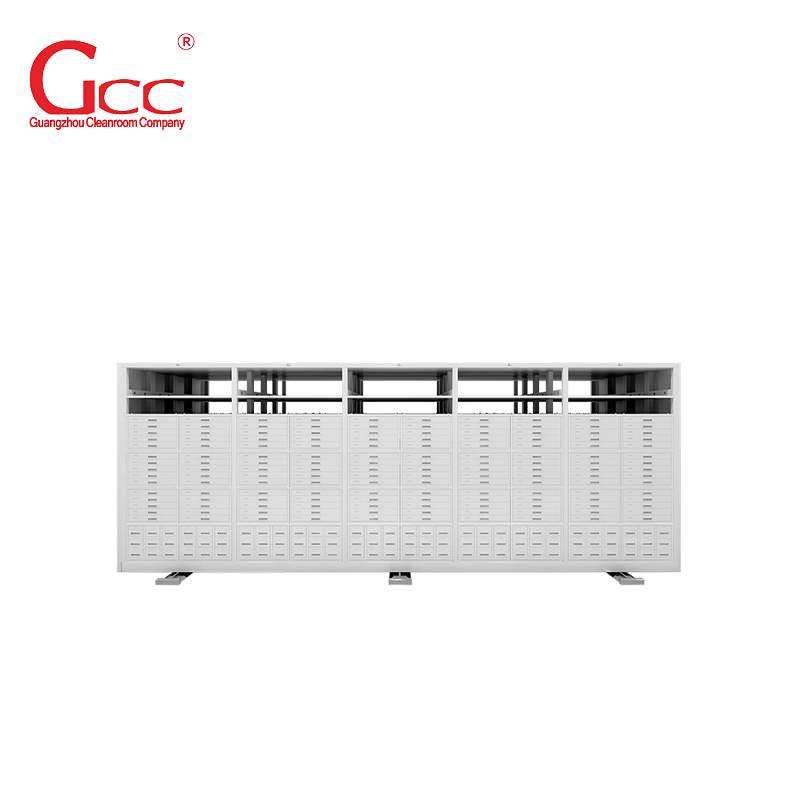
With the growth of hospitals and research institutions, the volume of pathology specimens (tissue blocks and slides) is increasing exponentially. Traditional cabinet storage can no longer meet the demands of archiving massive sample volumes and ensuring rapid retrieval, while also occupying valuable lab space.
Our High-Density Mobile Storage System is the modern professional laboratory furniture designed specifically to solve this problem. Through innovative mobile aisle design, it transforms fixed aisle space into storage space, potentially doubling storage capacity. It ensures every precious sample is stored securely and systematically while enabling fast access. It is the cornerstone for building an intelligent and efficient pathology department, providing future-proof protection for your valuable medical archives.
Core Value: Safely store more samples in less space and enable efficient management.
| Parameter | Details |
|---|---|
| Product Name | Storage System for Blocks & Slides |
| Main Material | High-Quality Cold-Rolled Steel (≥1.0mm thickness) |
| Surface Treatment | Using Advanced Matte Camel Colored Plastic Powder Spray Coating, Customizable) |
| Drive Mode | Manual Crank / Electrically Assisted (Optional) |
| Track Material | High-Strength Bearing Steel |
| Max Load per Unit Area | ≤ 1000 kg/m² |
| Standard Shelves | Adjustable height shelves with anti-slip lips |
| Safety Features | Anti-tip device, Aisle signage, Anti-pinch device, Infrared sensor (Electric models) |
| Optional Accessories | Dedicated block drawers, Slide dividers, Index label holders, Integrated worktop |
Q1: Can this system store both tissue blocks and slides?
A: Absolutely. We can design a mixed layout for you. For example, the upper part of a carriage can be customized for slides, and the lower part for blocks, maximizing space utilization for your comprehensive storage needs.
Q2: What are the requirements for my lab floor to install this system?
A: Due to the significant total weight, the system MUST be installed on a floor with adequate load-bearing capacity. Solid concrete or epoxy floors are recommended. Special assessment and reinforcement plans are required for wooden or raised floors –please consult our engineers beforehand.
Q3: What are the main differences between electric and manual models, besides power?
A: Besides the effortlessness of the drive system, key differences lie in safety and intelligence. Electric models typically feature more advanced infrared safety sensors and electronic locks. Some can integrate with laboratory management systems for basic inventory tracking. Manual models are more economical, with simpler mechanics and easier maintenance.
Overall Rating
Rating Snapshot
The following is the distribution of all ratingsAll Reviews